


Conservation genetics ain’t your grandma’s wildlife protection – it’s CSI meets Mother Nature. Scientists use DNA analysis from minimal biological samples (even poop!) to track endangered species, expose wildlife traffickers, and prevent inbreeding disasters. These genetic tools revolutionise everything from population monitoring to strategic breeding programs. While traditional conservation fumbles in the dark, DNA technology shines a spotlight on what’s really happening. The deeper you go into this genetic goldmine, the more it changes the game.
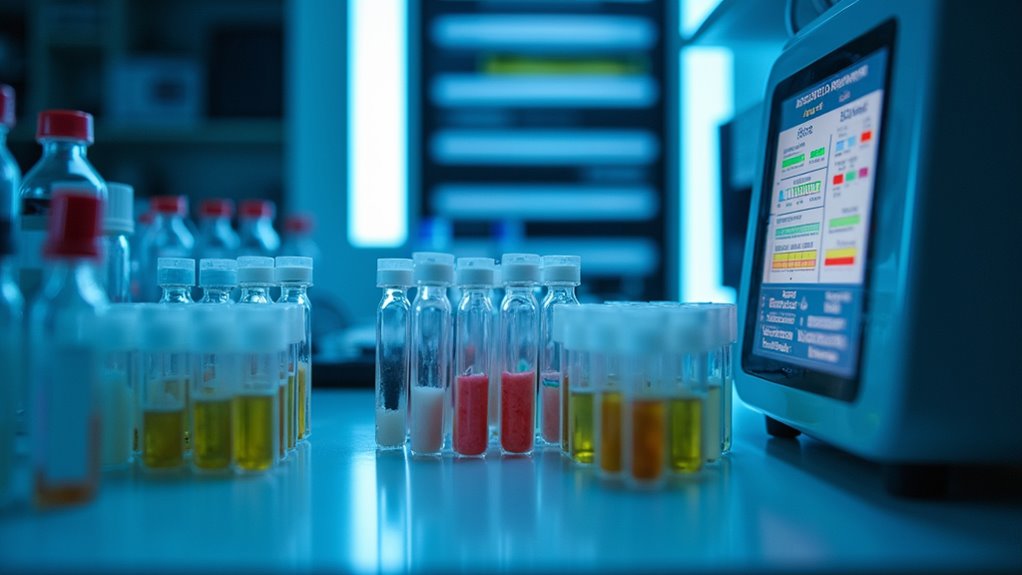
While countless species teeter on the brink of extinction, conservation genetics has emerged as our best shot at pulling them back from the edge. DNA analysis is revolutionising how we protect endangered wildlife, letting scientists identify species from nothing more than a few shed hairs or bits of poo. It’s like CSI for conservationists, except instead of solving crimes, we’re trying to stop entire species from disappearing forever.
Conservation genetics brings CSI-style DNA analysis to wildlife protection, turning tiny traces into powerful tools for species survival.
Gone are the days when we had to physically catch animals to study them. Now, researchers can analyse environmental DNA from water samples or soil to track elusive creatures. This isn’t just some fancy lab trick – it’s giving us unprecedented insights into population sizes, movement patterns, and genetic health. The use of genetic markers like microsatellites has revolutionized how we study wild populations. Studies like those at San Diego Zoo have shown that single DNA samples can determine a species’ extinction risk. Drones and tracking tools are also enhancing our ability to monitor and protect these species by providing critical habitat data.
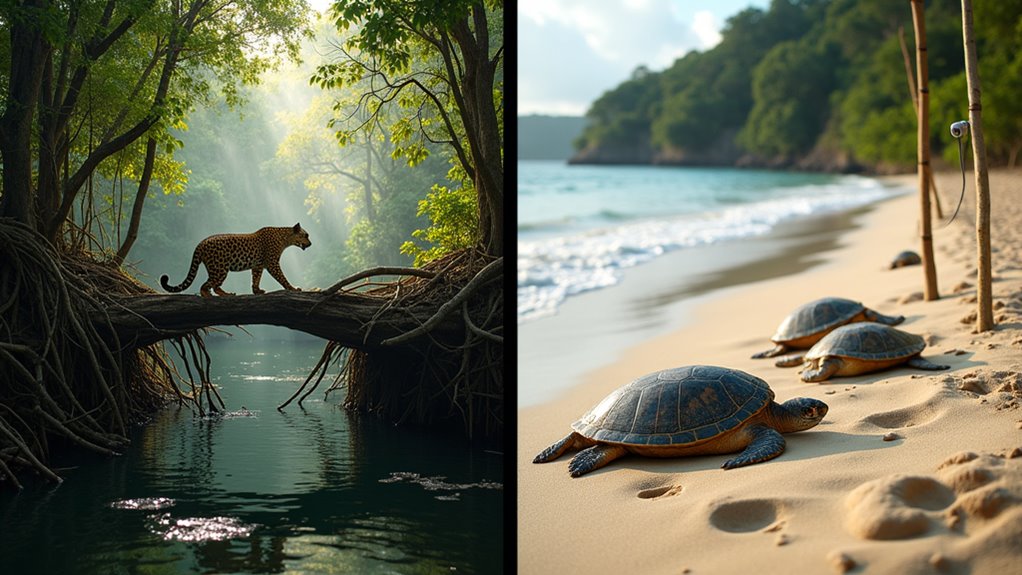
And when it comes to busting wildlife traffickers, DNA evidence is becoming their worst nightmare, providing rock-solid proof in court. Laws like CITES are also pivotal in regulating the international trade of endangered species, bolstering conservation efforts globally. Successful strategies for conservation also include anti-poaching initiatives, which play a crucial role in protecting vulnerable animal populations.
The genetic diversity story isn’t exactly a happy one. Many endangered populations are showing dangerous levels of inbreeding, their gene pools shrinking faster than a puddle in the outback. But here’s where it gets interesting: genomic technologies are helping us identify which populations need urgent intervention. Genetic bottlenecks can be pinpointed, allowing conservationists to prioritize efforts where they are most needed.
We’re talking whole genome sequencing, SNP genotyping, and even ancient DNA analysis from dusty museum specimens. It’s like having a time machine that lets us peek into species’ genetic past.

Breeding programs have gotten a major upgrade too. Instead of playing genetic roulette, managers can now use DNA analysis to make strategic breeding matches. It’s basically a dating app for endangered species, except the stakes are literally life-or-death for entire species.
And when things go wrong – like when a population crashes or shows signs of inbreeding depression – genetics helps us figure out how to fix it.
Perhaps the most fascinating development is how we’re using genetics to understand adaptive traits. Scientists are identifying genes linked to disease resistance and climate change adaptation. Some reckon we might even use CRISPR gene editing for genetic rescue operations.
It’s controversial stuff, but with species dropping like flies, maybe it’s time to put all options on the table.
The impact on conservation policy has been profound. Genetics now informs everything from IUCN Red List classifications to habitat protection strategies. It’s helping us identify which populations are unique enough to warrant special protection and which areas need connecting corridors to maintain gene flow.
The data doesn’t lie – and it’s forcing us to rethink our entire approach to conservation.

Let’s be real: conservation genetics isn’t going to save every species. But it’s giving us tools we never had before, and we’d be idiots not to use them. In a world where biodiversity is vanishing faster than ever, these genetic insights might be our last chance to turn things around.
The science is solid, the techniques are proven, and the only question left is whether we’ll act on what the DNA is telling us before it’s too late.
Frequently Asked Questions
How Much Does Genetic Testing of Endangered Species Typically Cost?
Genetic testing ain’t cheap, mate. Basic DNA sampling from hair or poo runs $12-20 per sample, but that’s just the start.
Lab work’s where costs explode – microsatellite testing hits $20-30, while whole genome sequencing‘ll set ya back $600-1500 per critter.

Add specialised equipment, expertise, and storage costs, and conservation programs typically shell out $50,000-$200,000+ annually.
It’s a pricey game, but cheaper than extinction.
Can DNA Analysis Predict When a Species Might Go Extinct?
DNA analysis can’t give an exact extinction date, but it’s getting frighteningly good at spotting the warning signs.
Scientists analyze genetic markers that show historical population sizes and genetic diversity – basically a species’ health report card.

When they spot red flags like inbreeding or high genetic load, it’s usually bad news.
While it’s not a crystal ball, DNA testing is proving scary-accurate at identifying which species are circling the drain.
What Qualifications Are Needed to Work in Conservation Genetics?
Let’s get real – conservation genetics ain’t for slackers.
You’ll need at least a bachelor’s in biology or something similar, but most serious players rock a PhD. Lab skills are non-negotiable – DNA extraction, PCR, sequencing – the whole genetic shebang.

Field experience is essential too, mate. Can’t just hide in the lab. Throw in some serious stats knowledge, grant-writing chops, and the ability to navigate complex software.
It’s a tough gig, but someone’s gotta do it.
How Long Does It Take to Analyze DNA Samples From Wildlife?
DNA analysis timing? It’s not a quick cuppa tea, mate.
The whole process is a marathon that can take anywhere from a few days to several months – no joke!

Sample collection’s the easy part (15-30 mins), but then you’ve got extraction (1-3 hours), amplification (2-3 hours), and sequencing (days).
Chuck in some complex analysis and backlogs, and you’re looking at weeks.
Rushing it’ll cost ya big time, too.
Can Ancient DNA Help Resurrect Extinct Species Through Genetic Engineering?
Ancient DNA is helping scientists play god with extinction – but it ain’t easy.
While we’ve got the tech to splice woolly mammoth genes into elephant embryos and recreate passenger pigeons, there’s major hurdles.
Most ancient DNA is knackered beyond repair, and even when it works, we’re chucking these creatures into a totally different world than they evolved in.
Still, between CRISPR and cloning, de-extinction is slowly becoming less sci-fi and more reality.