
Community-based conservation has flipped the script on old-school “keep out” tactics that screwed over indigenous peoples for decades. Gone are the days of fortress conservation – locals now lead the charge, wielding their traditional knowledge like environmental superheroes. From Kenya’s Maasai Mara to Brazil’s Kayapo warriors, these grassroots efforts consistently outperform rigid Western approaches. Sure, there’re challenges with benefit sharing and corporate vultures, but the future of conservation belongs to the communities who’ve always called these places home. The real story lies in how they’re making it happen.

Nearly every conservation effort in the 1970s followed the same tired playbook: kick locals off their land and stick up a “keep out” sign. This fortress conservation rubbish created more problems than it solved, turning indigenous communities into enemies rather than allies. But in the 1980s, something clicked – maybe excluding people who’d managed these landscapes for generations wasn’t exactly brilliant. Just like modern user verification helps protect digital systems from abuse, these communities needed ways to protect their natural resources.
Enter community-based conservation, the radical notion that local people might actually know a thing or two about their environment. This approach flipped the script, recognising that culture and nature aren’t separate – they’re two sides of the same coin. Instead of building walls, it built bridges, linking biodiversity protection with livelihood improvement and empowering communities to become stewards of their own resources. The establishment of Yellowstone National Park in 1872 had already shown the devastating impact of displacement, affecting an estimated 20 million people. Anti-poaching initiatives have also gained traction as part of these efforts, showcasing community involvement in protecting wildlife.
Let locals lead – they’ve managed these lands for generations while we’re still learning how conservation actually works.

The results? They speak for themselves. In Kenya’s Maasai Mara, local communities are now leading wildlife conservation efforts, proving the naysayers wrong. The Kayapo people in Brazil have shown that traditional ecological knowledge isn’t just feel-good nonsense – it’s bloody effective at protecting the Amazon. Nepal’s Annapurna Conservation Area has become a textbook example of how to balance tourism, local needs, and environmental protection. Community-based models are empowering communities by providing education and resources, enabling them to take charge of their environmental futures. Indigenous leadership in land and wildlife protection often outperforms conventional methods, demonstrating the power and effectiveness of traditional knowledge.
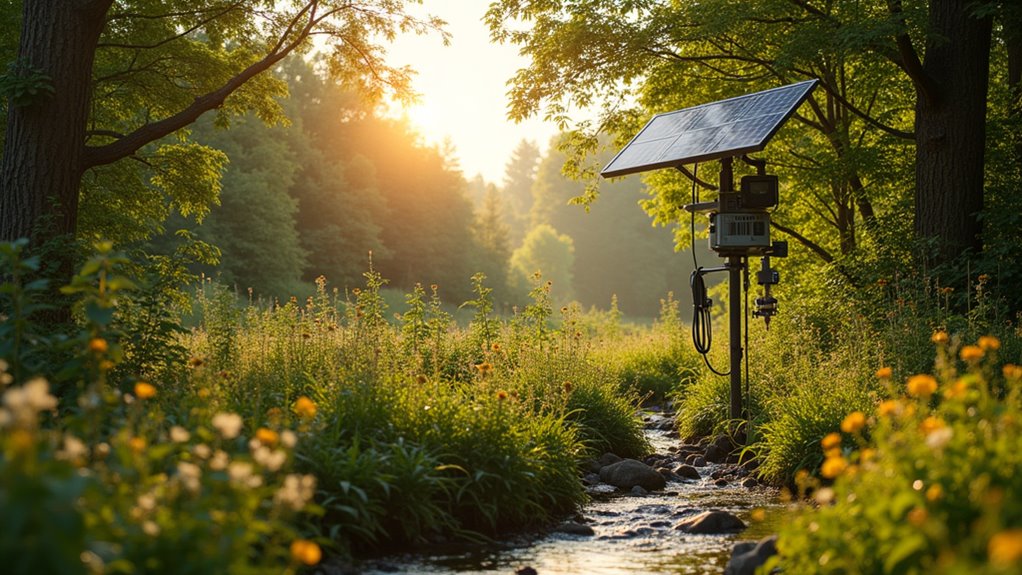
But let’s not get too carried away with the success stories. Community-based conservation isn’t all sunshine and rainbows. Some communities still struggle with unequal benefit distribution – surprise, surprise, the wealthy often get wealthier. Land rights remain a mess in many places, and some local institutions simply don’t have the resources to manage complex conservation programs. Plus, there’s always some corporate vulture circling overhead, ready to exploit resources for profit. Public participation in monitoring wildlife through smartphone apps and community-based programs has also become an essential tool, fostering a deeper commitment to preservation.
Still, the ecological wins are hard to ignore. Poaching‘s down in many areas, wildlife populations are bouncing back, and ecosystems are getting better protection. Communities are developing sustainable tourism initiatives, building better infrastructure, and creating alternative livelihoods that don’t involve destroying the environment. It’s not perfect, but it’s a damn sight better than the old way.

Looking ahead, community-based conservation is set to play a vital role in achieving global conservation targets like the ambitious 30×30 initiative. The challenge now is scaling up successful models without losing that vital local connection. We need stronger legal frameworks to protect community rights, better ways to measure success, and innovative funding mechanisms that don’t rely on dodgy carbon credits or wealthy donors’ whims.
The bottom line? When we trust local communities to manage their resources, good things happen. It’s not rocket science – just common sense that took conservationists far too long to figure out. Maybe next time we want to save something, we should start by asking the people who’ve been living there all along.
Frequently Asked Questions
How Do You Measure Long-Term Success in Community-Based Conservation Projects?
Success in conservation isn’t just about feel-good metrics.
Real success means tracking hard data over years – species populations, habitat quality, and community buy-in.
It’s measuring economic benefits through sustainable resource use and tourism.
It’s tracking whether local staff stick around and if indigenous knowledge actually gets used.
Most importantly, it’s seeing if permanent funding materialises and if communities adopt sustainable practises long-term.

No fluff, just measurable outcomes.
What Legal Frameworks Protect Communities Involved in Conservation Initiatives?
Several key frameworks protect community rights in conservation – though let’s be real, enforcement is another story.
The big guns include FPIC protocols ensuring consent, and GRM systems for handling grievances when things go pear-shaped.

International heavyweights like the UN Declaration on Indigenous Rights and ILO Convention 169 throw their weight around too.
National laws like NEPA in the US and PNG’s Conservation Deed add teeth locally.
But paperwork ain’t protection – implementation matters most.
How Are Conflicts Between Different Stakeholder Groups Resolved in Conservation Programs?

Resolving stakeholder conflicts in conservation isn’t pretty – it’s a messy dance of compromise.
Professional mediators jump in to referee, while structured dialogue sessions force everyone to actually listen (shocking, right?).
Power-interest matrices help prioritise who gets what attention, and early engagement stops drama before it explodes.

When things get heated, adaptive management keeps the peace by staying flexible.
It’s not perfect, but beats throwing chairs across the room.
What Percentage of Conservation Funding Typically Reaches Local Community Projects?
The numbers are downright dismal. Only 17% of global climate and conservation funding actually makes it to Indigenous Peoples and local communities – the folks doing the real work on the ground.
Sure, there’s some progress with 42% of America the Beautiful Challenge funding now supporting Indigenous-led projects, but let’s get real.

Most conservation cash gets stuck in bureaucratic quicksand or lines the pockets of big organisations while local projects scrape by.
Can Community-Based Conservation Programs Survive Without External Donor Support?
Let’s cut to the chase – community conservation can absolutely survive without donor handouts, but it ain’t easy.
The key? Diversified income streams. Smart programs are nailing it through ecotourism, sustainable resource harvesting, and payment for ecosystem services.
Some communities are even running their own profitable enterprises. Sure, external funding helps kickstart things, but the real winners are those who’ve built self-sustaining local economies.
That’s proper independence, mate.