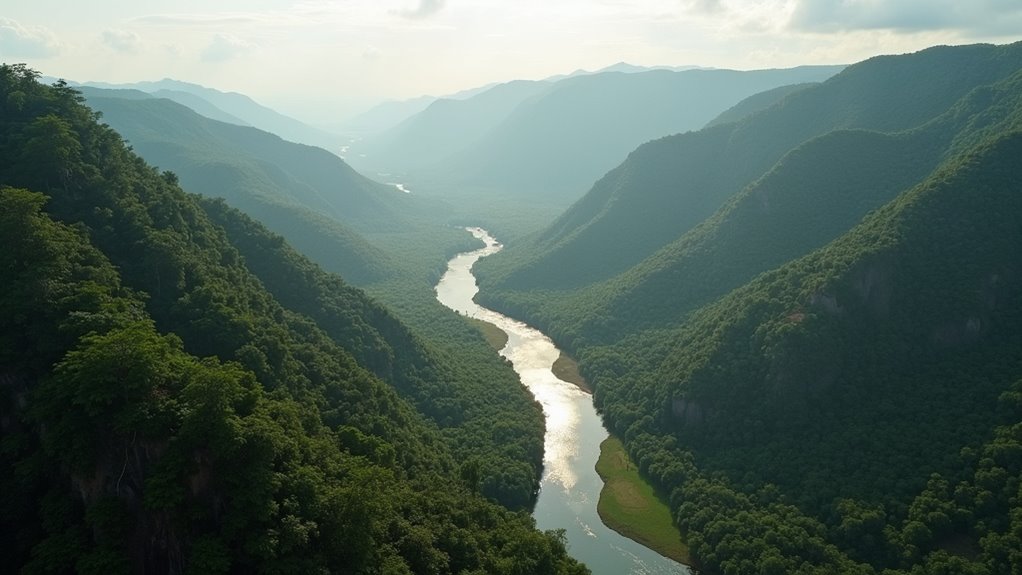


Habitat restoration isn’t just feel-good environmentalism – it’s full-scale ecological warfare against decades of human stupidity.
From wetland revival to forest regeneration, these projects are finally giving degraded ecosystems a fighting chance. While over 3.2 billion people suffer from trashed habitats worldwide, success stories like China’s Loess Plateau transformation prove restoration works.
Local communities and citizen scientists are getting their hands dirty, creating jobs and boosting tourism along the way.
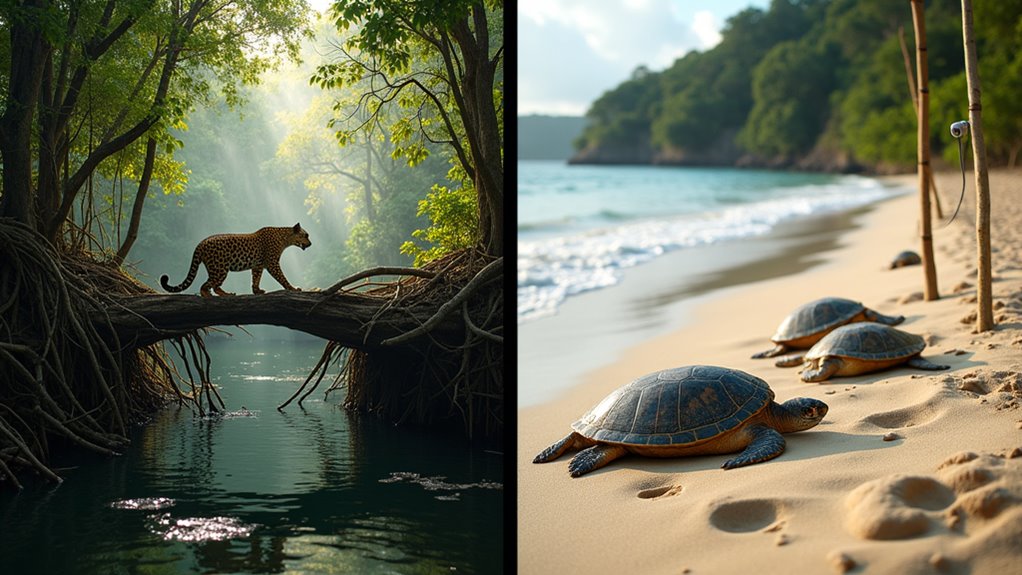
The environmental revolution‘s just warming up.

Nature’s taking a beating, and habitat restoration projects are fighting back with brass knuckles. From decimated wetlands to ravaged forests, ecosystems worldwide are getting hammered by human activity.
A growing army of restoration warriors is rolling up their sleeves and getting their hands dirty to turn this environmental trainwreck around. Land degradation currently affects over 3.2 billion people globally through reduced ecosystem services.
These projects ain’t just about planting a few trees and calling it a day. We’re talking full-scale ecological warfare – wetland restoration, forest regeneration, and coastal habitat rehab that would make your head spin. The heavy hitters include native species reintroduction, ripping out invasive plant bastards, and getting soil back into fighting shape.
Sometimes they even set controlled fires, because nothing says “ecosystem management” like a carefully orchestrated blaze. Biodiversity net gain regulations are making these restoration efforts more crucial than ever for developers. These efforts to revive ecosystems often showcase before-and-after transformations that highlight the dramatic improvements in biodiversity and ecosystem health. Climate change exacerbates these challenges by causing altered migration patterns, which further complicate restoration efforts.
The results? They’re bloody impressive when done right. Biodiversity shoots through the roof, endangered species get a fighting chance, and those precious ecosystem services we take for granted start flowing again. Take the Everglades restoration in Florida – it’s a massive undertaking that’s bringing life back to an ecosystem that was circling the drain. Or look at China’s Loess Plateau, where they’ve transformed a knackered landscape into something that actually resembles a functioning ecosystem. The success stories of species rescued from the brink of extinction show the potential for positive outcomes when efforts are well-coordinated and persistent.

Communities are also investing in infrastructure adjustments to better support these restoration efforts and enhance resilience.
These projects aren’t just tree-hugger feel-good stories. They’re economic powerhouses in disguise. Property values near restored areas skyrocket, tourism dollars start flowing, and new jobs pop up faster than mushrooms after rain. Plus, restored wetlands and forests act like natural insurance policies against floods and storms, saving communities millions in disaster cleanup costs.
The community involvement piece is where things really heat up. Regular folks are getting stuck in – planting trees, monitoring wildlife, and actually giving a damn about their local ecosystems. Schools are jumping on board, kids are learning about nature firsthand, and citizen scientists are collecting data that actually matters. It’s like a grassroots environmental revolution, minus the tie-dye shirts and peace signs.
Of course, there’s always a catch. Funding’s tight, stakeholders bicker like seagulls over a hot chip, and climate change keeps moving the goalposts. Some projects fail spectacularly, others limp along without achieving their goals. But here’s the truth bomb – we don’t have the luxury of giving up. These restoration projects, with all their messy complications and occasional stuff-ups, are our best shot at keeping Earth’s ecosystems from completely going to pot.
Frequently Asked Questions
How Much Does a Typical Habitat Restoration Project Cost per Acre?
Habitat restoration costs are all over the bloody map.
Wetland projects burn through $153k-$303k per hectare, while coastal work‘ll set you back around $80k per acre.

The pricetag really depends what you’re fixing – some coastal jobs can be dirt cheap at $265/acre, others’ll make ya weep at $135k/acre.
Bigger projects usually cost less per acre tho – economies of scale and all that.
Bottom line: restoration ain’t cheap, mate.
What Percentage of Restored Habitats Successfully Maintain Long-Term Ecosystem Stability?
The success rate ain’t pretty. Only about 74% of restored habitats achieve stable biogeochemical functions after 50-100 years, and they still lag 13% behind reference ecosystems in biodiversity.

Lake and coastal projects fare even worse, managing just 24-34% recovery. Despite a 20% average boost in biodiversity post-restoration, these sites show 20% more variability than natural systems.
Let’s face it – full ecosystem stability is more exception than rule.
How Long Does It Typically Take to See Significant Results?
Let’s cut to the chase – significant results don’t happen overnight, mate.

Initial changes pop up within 1-3 years, with native plants making their debut in the first growing season.
But here’s the kicker: proper recovery‘s a slow burn.
While water quality might improve in months and soil stabilises in 1-2 years, full vegetation coverage takes 5-10 years.

And those fancy old-growth characteristics? They’re playing the long game – we’re talking 100+ years.
Can Volunteers Participate in Habitat Restoration Projects Near Their Communities?
Absolutely – volunteers can easily jump into habitat restoration right in their backyard.
Local environmental groups are practically begging for help. From yanking out invasive weeds to planting native trees, there’s heaps of hands-on work that needs doing.
Most projects welcome newbies – no fancy qualifications required. Just check city websites, parks departments, or conservation organisations.
They’ll kit you out with training and tools. It’s dead simple to get involved and make a real difference.
What Legal Permits Are Required to Start a Habitat Restoration Project?
The permit maze is brutal – no way around it.
You’ll need federal heavyweights like Clean Water Act Section 404 and Endangered Species Act clearance.
Then there’s state-level hoops: environmental protection permits, wetland authorisations, and local council red tape.
Costs? Prepare to fork out up to 1/3 of your budget just for paperwork.
Here’s the kicker though – streamlined options exist through the Army Corps’ Nationwide Permit 27.
Still a headache, but slightly less migraine-inducing.