
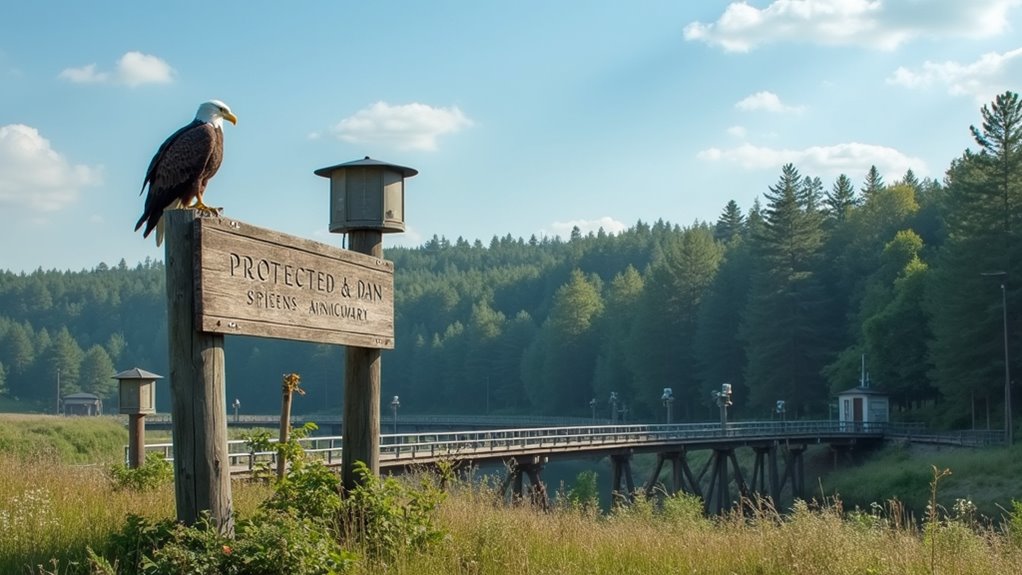

Wildlife protection laws pack a serious punch these days.
The U.S. Endangered Species Act boasts a 99% success rate at keeping threatened species alive, while CITES rallies 184 countries to monitor over 38,000 species globally. State and local laws add extra muscle, often going beyond federal rules.
Violators face steep fines up to $50k and jail time. Smartphone apps now let everyday citizens bust environmental criminals. This web of protection keeps getting stronger.

While bureaucrats love drowning everything in red tape, there’s one set of laws that actually gets stuff done—the web of endangered species protections that’s been keeping Earth’s most vulnerable creatures alive since the 1970s.
The crown jewel is America’s Endangered Species Act (ESA), with a mind-blowing success rate at keeping listed species from going extinct, it’s fundamentally the superhero of conservation laws.
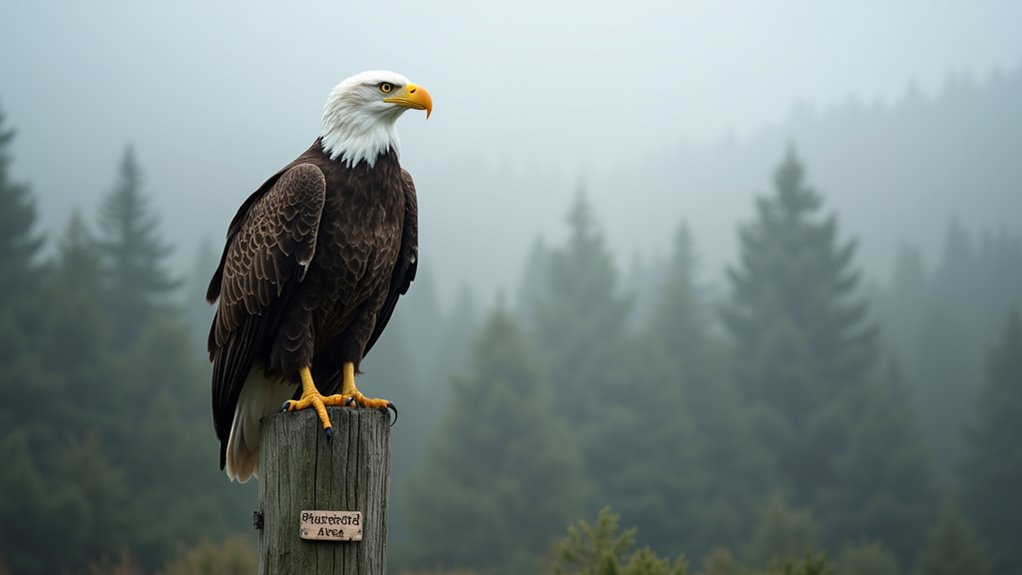
The ESA has proven its worth through remarkable recoveries like the bald eagle’s delisting in 2007. The ESA’s collaboration with global treaties like CITES enhances its reach and effectiveness, ensuring that endangered species are protected on an international scale.

The ESA doesn’t mess around. Break the rules, and you could be staring down $50,000 in fines or spending a year behind bars. And here’s the kicker—regular citizens can sue to enforce it.
That’s right, Karen from accounting could take you to court if she catches you messing with an endangered species. The law’s got teeth, and it’s not afraid to bite. The success of these protections heavily relies on multiple nations cooperating to prevent illegal wildlife trafficking across borders. Effective conservation strategies, such as anti-poaching initiatives, are crucial for the long-term survival of endangered species and maintaining ecological balance. Communities worldwide are increasingly playing a role in conservation efforts by using smartphone apps to report sightings and threats, thereby empowering public involvement.
But the ESA isn’t flying solo in this fight. Most U.S. states have jumped on the bandwagon with their own protection laws, some even tougher than the federal version. It’s like having a backup singer who sometimes outperforms the lead—and that’s exactly what we need. These state laws often protect species that haven’t made it to the federal list yet, creating a safety net for vulnerable populations. The implementation of environmental impact assessments further strengthens these legal frameworks by ensuring that potential harm to ecosystems is evaluated before development projects are approved.

Globally, CITES is the heavy hitter, with 184 countries agreeing to stop treating endangered wildlife like tradeable Pokemon cards. This international agreement keeps tabs on more than 38,000 species, making sure rare plants and animals aren’t being shipped around the world like Amazon packages. It’s fundamentally a worldwide bouncer for wildlife trafficking.
The Marine Mammal Protection Act throws a lifeline to our ocean-dwelling mates, while the Migratory Bird Treaty Act keeps more than 1,000 species of frequent flyers safe from harm. These laws aren’t just feel-good legislation—they’re legally binding agreements with real consequences for violations.
The whole system works together like a well-oiled machine, despite the occasional squeaky wheel. Sure, some developers whinge about having to reroute their latest strip mall because of some rare frog, but that’s exactly the point.

These laws force us to think twice before bulldozing another piece of habitat or treating the ocean like our personal rubbish bin.
Is it perfect? Nah. Could it be better? Probably. But in a world where environmental protection often takes a backseat to profit, these laws stand as a reminder that sometimes, just sometimes, we manage to get it right.
They’re proof that when we decide to protect something, we can actually make it happen—even if it means occasionally telling big business to rack off.
Frequently Asked Questions
How Many Species Go Extinct Before They Are Discovered?
Scientists reckon thousands of species vanish before anyone even knows they exist.

With extinction rates 100-1000 times higher than natural levels, and only 20% of Earth’s species identified, we’re losing the unknown at an alarming pace.
Conservative estimates suggest 100-200 species go extinct daily – most never documented.
It’s like burning down a library before reading the books.

Pretty stuffed up, mate.
What Percentage of Endangered Species Recovery Programs Are Successful?
The success rate of endangered species recovery is pretty dismal, mate. Only 3% of listed species have ever fully recovered – that’s a mere 57 out of 1,732 species since the ESA kicked off.
Sure, it’s kept 291 critters from going extinct completely, but 85% of listed species haven’t even completed a quarter of their recovery actions.

Most are running 11 years behind schedule, which ain’t exactly a gold star performance.
Who Funds International Conservation Efforts for Endangered Species?
International conservation gets its cash from a mixed bag of players.
The U.S. govt throws serious money at it – $500M for USAID biodiversity alone. Big NGOs like Conservation International and WWF pump millions into saving species.

Private sector’s not slacking either – every buck from Uncle Sam triggers $4 from corporate coffers.
Plus, fancy multilateral funds like GEF have leveraged a whopping $107B in co-financing. Not too shabby!
How Do Climate Changes Affect Endangered Species Survival Rates?
Climate change is absolutely walloping endangered species. Rising temps are forcing animals to leg it to new territories – if they even can.
Habitats are copping it hard, with coral reefs bleaching and sea ice vanishing faster than a meat pie at the footy. The numbers are brutal: over 10,900 species on the IUCN Red List are getting hammered by climate impacts.
When food webs go belly-up and extreme weather hits, survival rates plummet like a lead balloon.
Which Endangered Species Have the Highest Chance of Recovery?
Species with well-understood threats and proven recovery strategies have the best shot.
Bald eagles and humpback whales smashed their recovery goals – we’re talking massive population booms here.
Grey wolves and pandas aren’t doing too bad either.
The winners share key traits: quick breeding, protected habitats, and threats we can actually fix.
Plus, these rockstars have hardcore public support and science-backed recovery plans.
No coincidence there, mate.