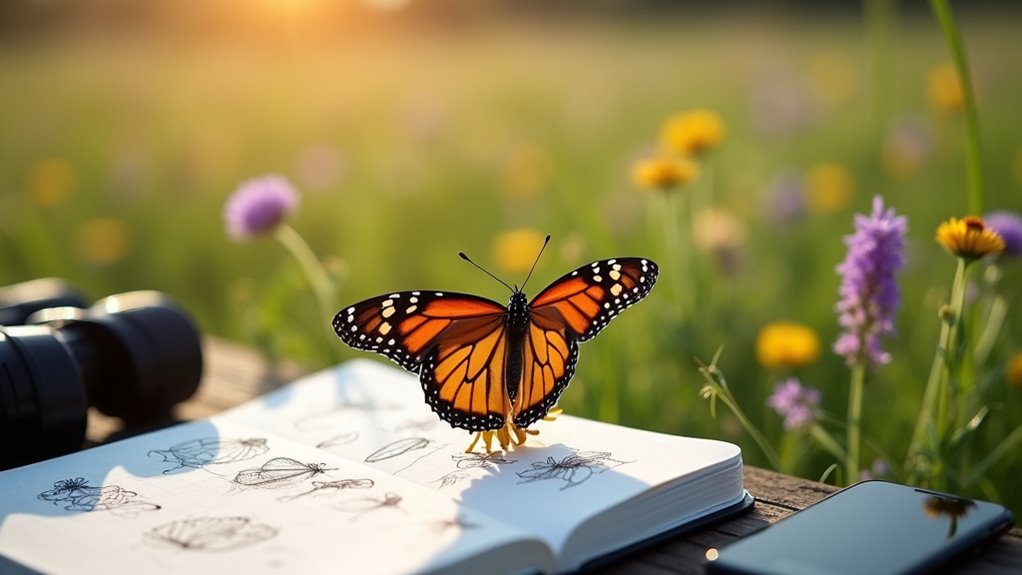

Modern conservation education ain’t your grandma’s boring textbook lessons. Today’s programs ditch the worksheets for hands-on experiences that actually make a difference. Kids partner with real scientists, tackle local environmental issues, and learn from indigenous wisdom that’s kept ecosystems thriving for millennia. It’s not just about saving cute animals – these programs show how biodiversity keeps our planet from totally falling apart. The rabbit hole of environmental knowledge goes deeper than most realise.
While classrooms across the globe still cling to dusty textbooks and mind-numbing worksheets, conservation education programs are finally dragging environmental learning into the 21st century. Let’s face it – the old ways of teaching kids about nature through boring lectures and lifeless diagrams just don’t cut it anymore. Today’s conservation education is a whole different beast, mixing hands-on experiences with real-world impact that actually gets results. Engaging with diverse ecosystems through these programs can support mental well-being in students.
These programs aren’t mucking about with hypotheticals – they’re diving deep into local environmental issues and partnering with proper scientists and resource managers to tackle real problems. Students aren’t just learning about the environment; they’re getting their hands dirty in it, working on action projects that make tangible differences in their communities. Organizations like the Guy Harvey Foundation are providing Treasure Chests to educators, filled with curated supplies that make hands-on learning come alive. It’s not rocket science – when kids see their work making actual change, they’re more likely to give a damn about conservation. Early exposure to environmental topics is crucial for inspiring future generations to adopt sustainable practices and protect wildlife. These initiatives are also highlighting the importance of a balanced ecosystem for both wildlife and human communities.
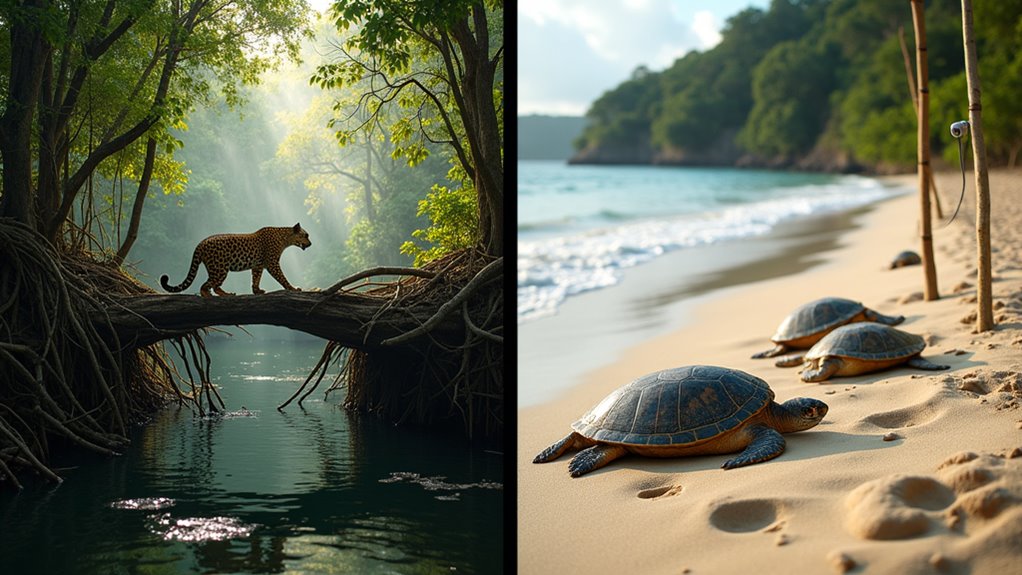
The smart programmes are tapping into indigenous wisdom too, particularly Māori world views that bring a whole new perspective to environmental stewardship. Indigenous leadership in land and wildlife protection has shown that traditional knowledge and stewardship often outperform conventional methods. This isn’t just some token nod to cultural inclusion – it’s about recognising that traditional knowledge has kept ecosystems healthy for thousands of years. Meanwhile, cross-curricular strategies guarantee that conservation isn’t just stuck in the science classroom but weaves its way through every subject. By showcasing positive case studies, these programs offer proof that well-coordinated efforts can reverse ecological damage.
The proof is in the pudding – these programs are delivering real results. They’re boosting pro-environmental behaviours, improving environmental quality, and building community capacity to tackle ecological challenges. But here’s the kicker – they’re doing it through methods that actually engage people, not bore them to tears. We’re talking live distance learning adventures, interactive webcasts, and hands-on field investigations that make traditional teaching look like something from the dark ages.
Partnerships are pushing the envelope even further. When NASA teams up with the Forest Service for their Moon Trees project, or when programs like Every Kid Outdoors gets fourth-graders into nature, magic happens. These aren’t just feel-good initiatives – they’re strategic alliances that amplify impact and reach.

Look, the reality is stark – our planet’s biodiversity is under siege, and we can’t afford to raise another generation that doesn’t understand why that matters. Conservation education isn’t some nice-to-have extra anymore; it’s an essential tool for equipping communities with the knowledge, skills, and values needed to protect what’s left of our natural world.
The best part? These programs are proving that learning about conservation doesn’t have to be a snooze fest. Through authentic experiences, local connections, and tangible outcomes, they’re creating environmental champions who actually know their stuff and are ready to fight for it.
Frequently Asked Questions
How Can Individuals Measure Their Personal Impact on Local Biodiversity?
Individuals can track their biodiversity impact through several key methods.
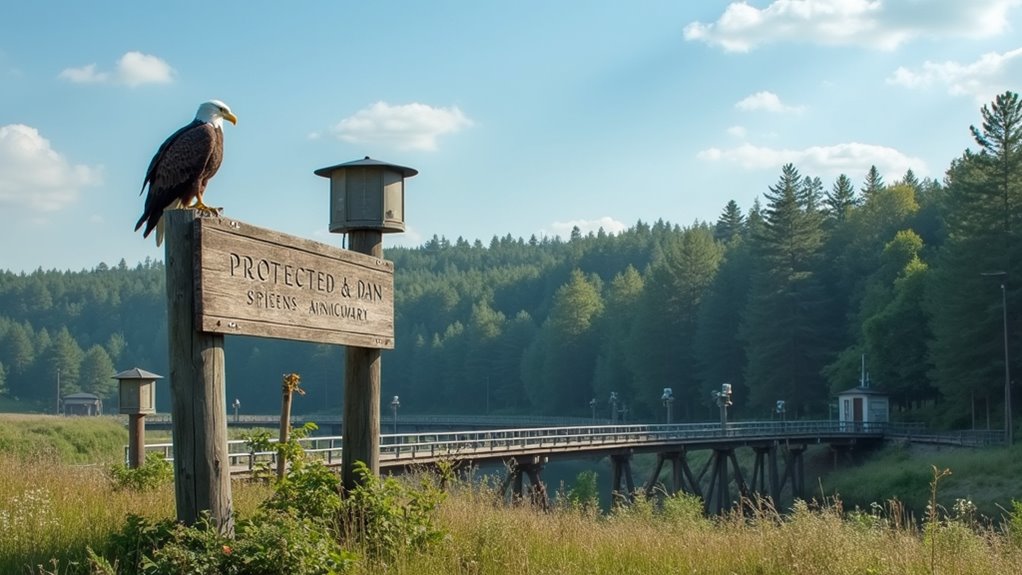
Online calculators measure personal footprints by analysing consumption, travel, and lifestyle choices.
Backyard species monitoring and citizen science participation provide real data on local ecosystems.
Water usage tracking, waste production assessment, and food miles calculations reveal resource impacts.
Volunteer hours and habitat restoration efforts quantify positive contributions.
It’s not rocket science – just honest self-assessment.
What Careers Specifically Focus on Biodiversity Conservation and Environmental Education?
Let’s get real about biodiversity careers – there’s more than just hugging trees these days.
Conservation scientists develop critical land management strategies, while wildlife biologists get their hands dirty studying animal populations.
Environmental educators bring nature to life at centres, and policy analysts fight the good fight in government.
Even journos and genetic researchers are jumping on board.

It’s a diverse field with actual impact – not just feel-good fluff.
How Do Climate Change and Biodiversity Loss Affect Human Health Directly?
Climate change and biodiversity loss are hitting human health like a one-two punch. Rising temps mean more heat strokes and deaths, while extreme weather’s getting deadlier.
As ecosystems collapse, we’re losing potential medicines from nature and facing nastier disease outbreaks. The kicker? It’s making our air rubbish, our food scarce, and our water dodgy.

Mental health’s copping it too – turns out watching nature disappear isn’t great for the psyche.
Which Endangered Species Have Been Successfully Saved Through Conservation Education Efforts?
Several endangered species have made remarkable comebacks through conservation efforts.
The Arabian Oryx bounced back from literal extinction to over 1,000 wild animals today.
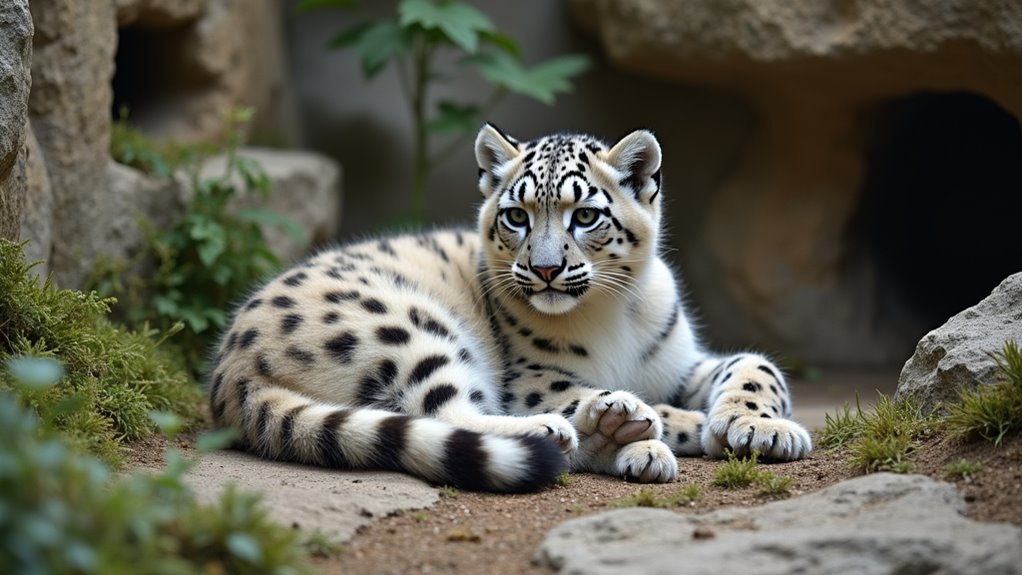
The California Condor’s population exploded from just 27 birds to hundreds now soaring free.
The Iberian Lynx pulled off an epic turnaround, getting downlisted from ‘endangered’ after 20 years of hard yakka.
And let’s not forget the Bald Eagle – from 480 nesting pairs to a whopping 14,000. Crikey, that’s impressive!
What Role Do Indigenous Communities Play in Protecting and Preserving Biodiversity?
Indigenous communities are absolute legends when it comes to protecting biodiversity.
They manage a whopping 28% of Earth’s land surface, which just happens to contain 80% of the world’s remaining biodiversity. That’s no coincidence, mate.
Their traditional knowledge systems and land management practises have kept forests intact for centuries.
The proof? Indigenous territories have way lower deforestation rates and higher species diversity than government-managed areas.
They’re smashing it.