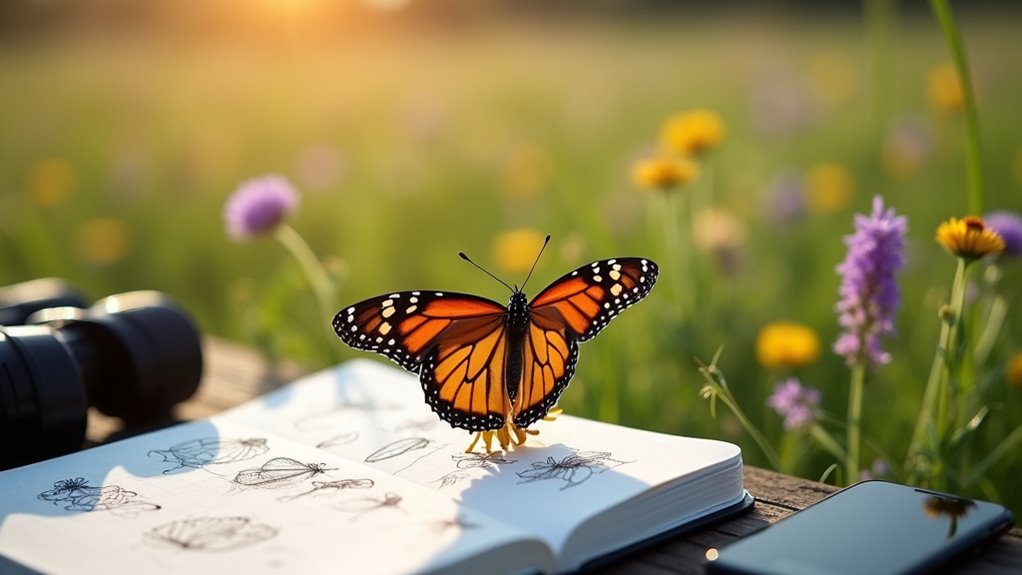
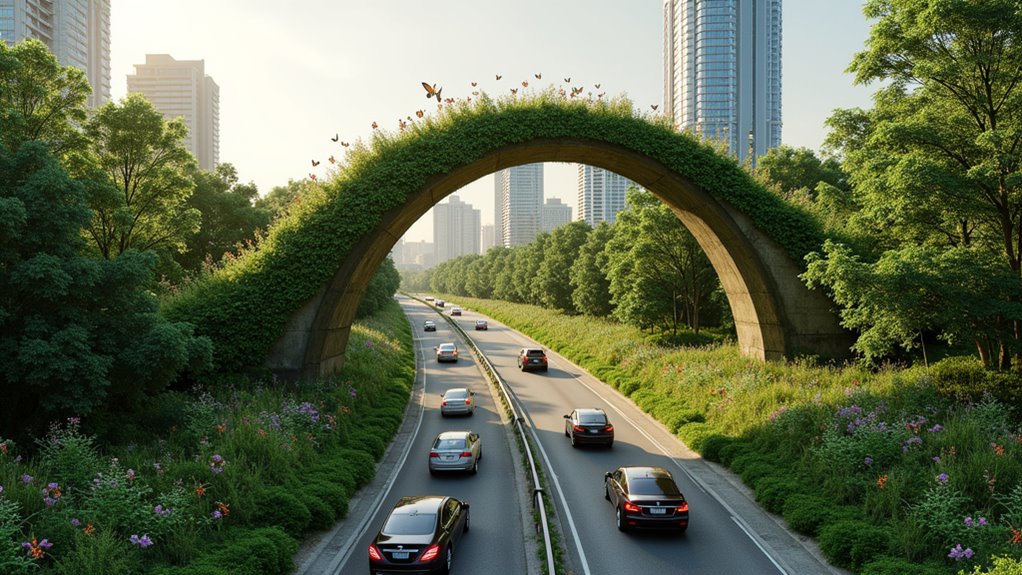

Urban conservation isn’t just feel-good greenwashing anymore – it’s survival. Cities are finally waking up and dedicating 30-40% of space to nature, creating wildlife corridors that actually work. Native plants are making a comeback, replacing those useless ornamental species. Smart design features like bird-safe glass and permeable surfaces are becoming standard, while community-driven projects get regular folks invested in protecting urban wildlife. The concrete jungle’s getting a much-needed ecological makeover – and there’s way more to this story.
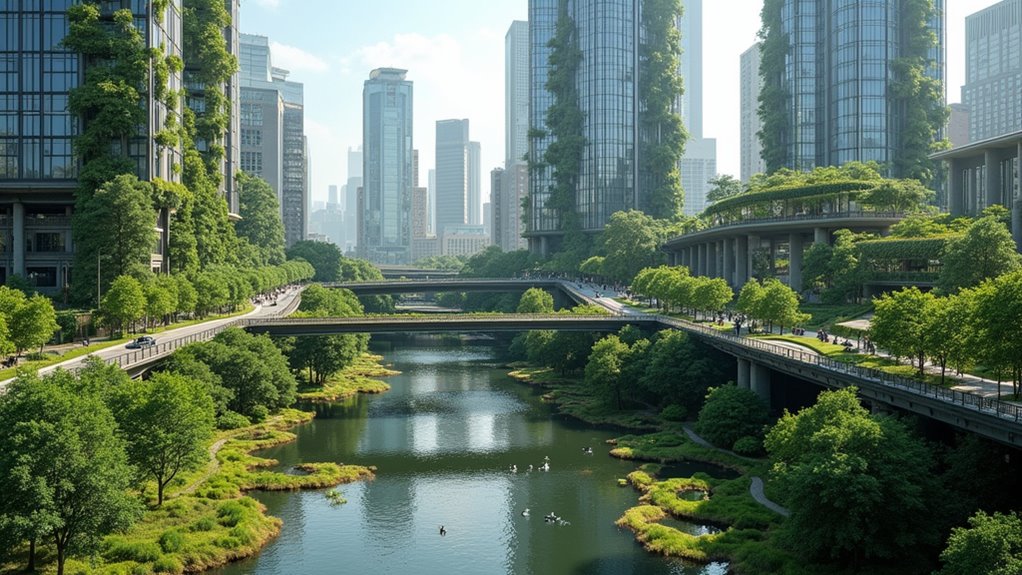
While cities have long been concrete jungles that bulldoze nature into submission, a growing movement of urban conservation initiatives is finally giving wildlife a fighting chance at survival in our metropolitan madness. The harsh reality is that our urban sprawl has decimated natural habitats, but some forward-thinking cities are waking up and realising that 30-40% of their surface should be dedicated to green spaces. These spaces play a vital role in filtering air pollutants. It’s about bloody time.
These aren’t just random patches of grass we’re talking about. Smart cities are creating interconnected networks of parks, gardens, and green roofs that actually support native species instead of just looking pretty for Instagram. Urban forests are becoming legitimate wildlife sanctuaries, hosting hundreds of species that previously had nowhere else to go. Singapore exemplifies this transformation with its Gardens by the Bay, turning the metropolis into a true city within a garden. These green spaces also serve as critical havens for local flora and fauna, providing essential habitats and contributing to the overall ecological balance. Climate shifts have led to habitat loss and altered migration patterns, making these urban green spaces even more vital for maintaining biodiversity. Communities are playing a pivotal role in this transformation, as residents take the lead in preserving urban habitats through participatory conservation models.
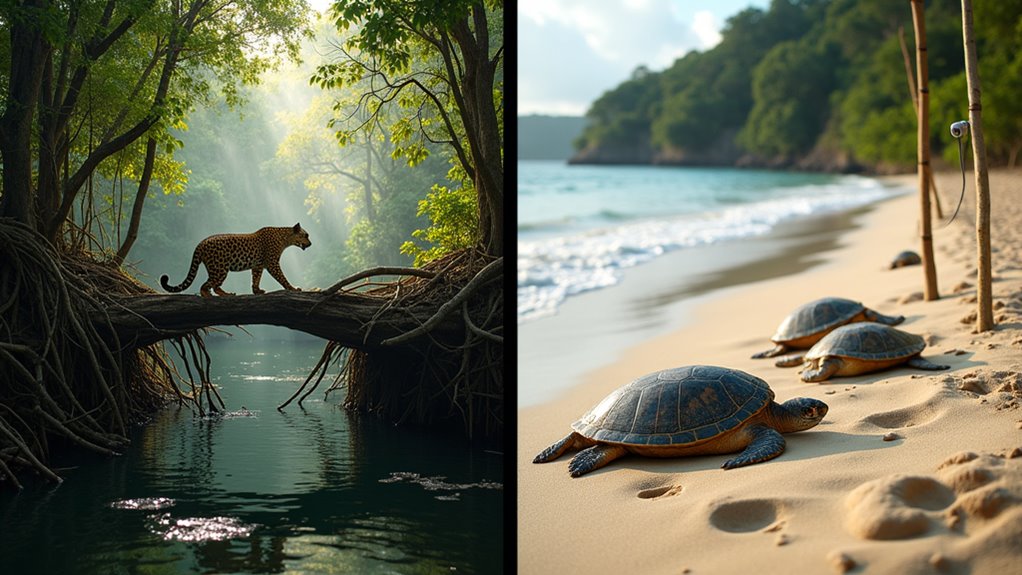
And let’s face it – these green spaces aren’t just helping wildlife, they’re saving our own sweaty backsides by reducing the urban heat island effect.
The real game-changer has been the implementation of wildlife corridors. These clever little highways for animals – whether they’re green strips alongside roads or bridges spanning over highways – are giving creatures safe passage through our concrete maze. It’s not rocket science: connect the dots between isolated green spaces, and suddenly you’ve got yourself a proper ecological network that maintains genetic diversity.
Native plant landscaping is another no-brainer that’s finally catching on. These local champions are already adapted to our climate and soil, so they need way less babysitting than those fancy imported varieties. Plus, they provide proper tucker and shelter for native wildlife, maintaining the natural balance without spreading like weeds (looking at you, invasive species).

Cities are getting serious about biodiversity conservation too, implementing everything from permeable surfaces to bird-safe glass. Some forward-thinking councils are even creating wetlands and water features, proving that urban development doesn’t have to be a death sentence for local ecosystems. Proactive planning in urban development is essential to safeguarding both the economy and public well-being, by ensuring that these green initiatives are integrated seamlessly into city landscapes.
Community engagement is booming, with citizen science projects and nature programs getting cityfolk’s hands dirty in conservation efforts. The bureaucrats are finally pulling their weight too, with policy initiatives that actually put teeth into urban conservation. They’re creating incentives for green building, implementing protective zoning regulations, and partnering with federal agencies to establish urban wildlife refuges.
Some are even developing biodiversity indices to track their progress – because what gets measured gets done. Climate change is the elephant in the room, but urban conservation initiatives are tackling it head-on. They’re planting drought-resistant species, designing water-efficient spaces, and using nature-based solutions for stormwater management.
The urban tree canopy is expanding, helping both wildlife and humans cope with rising temperatures. It’s not perfect, but it’s a start – and it’s about time we gave nature a fighting chance in our concrete jungle.
Frequently Asked Questions
How Much Does It Cost Homeowners to Participate in Urban Conservation Programs?
The cost hit to homeowners? Pretty bloody minimal, mate.
Most conservation programs cover 60-80% of project costs through reimbursements, leaving property owners to fork out just a fraction. Maximum paybacks typically range from $4,000 to $7,500, while some programs even offer full installation costs.
The initial investment varies heaps depending on the project type – whether its rain gardens, native plantings, or erosion control.
What Wildlife Species Are Most Likely to Return to Restored Urban Areas?
The wildlife comeback kings in restored urban areas? No surprise – it’s the adaptable opportunists.
Peregrine falcons are crushing it in cities with better survival rates than their rural cousins. Native bees and butterflies are quick to colonise green spaces.
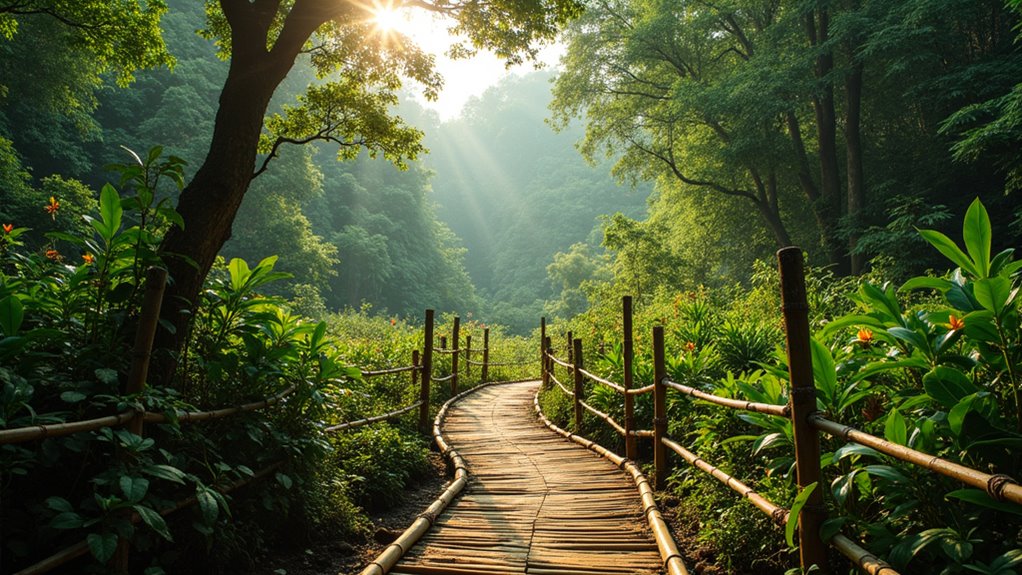
Even otters and beavers are making cheeky appearances when waterways get cleaned up.
But the real winners? Those crafty coyotes and foxes – they’re absolutely smashing urban living these days.
Can Urban Conservation Projects Affect Property Values in Surrounding Neighborhoods?
Here’s the hard truth – urban conservation projects absolutely impact property values, and usually it’s ka-ching!
Properties near conservation areas without trails jump 26% in value, while homes near popular trails sell for 11% above average.
Even a measly 1% boost in tree cover adds roughly $9,000 to house prices.
But it’s not all roses – poorly maintained sites or noisy trails can tank nearby property values faster than you can say “tree hugger.”
How Long Does It Typically Take to See Results From Conservation Initiatives?
Conservation initiatives deliver results across different timelines, and anyone expecting overnight miracles needs a reality check.

Sure, you’ll see quick wins like better air quality from new trees within 1-2 years, but the real magic happens gradually.
It takes 3-5 years for native plants to properly establish, 5-10 years for significant canopy coverage to develop, and 10+ years for full ecosystem restoration.
Patience isn’t just a virtue – it’s bloody essential.
What Permits Are Required to Start a Community-Based Urban Conservation Project?
Let’s cut through the red tape: Starting a community conservation project means wrestling with bureaucracy.

You’ll need basic zoning permits, environmental assessments, and land use approvals.
The essentials? Stormwater management permits, tree removal authorisations, and special urban conservation agreements.
Don’t forget community garden permits if you’re greening vacant lots.
Yeah, it’s a headache – but that’s what happens when you mix good intentions with government oversight.