
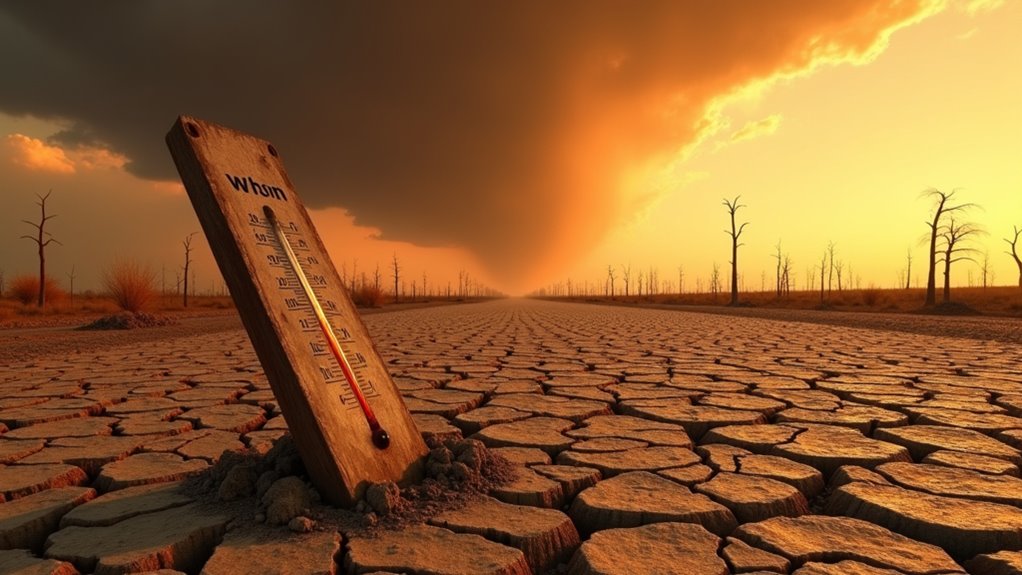

Earth’s climate data tells a brutal truth – we’re cooking ourselves alive at a terrifying pace. Temps have shot up 1.47°C since pre-industrial times, warming 10x faster than any natural recovery in Earth’s history. The last decade? Hottest ever recorded. 2024? Breaking more records. Scientists ain’t mincing words – we’re racing towards a climate catastrophe that’ll make today’s heatwaves look like a pleasant spring arvo. The deeper you go, the scarier this story gets.
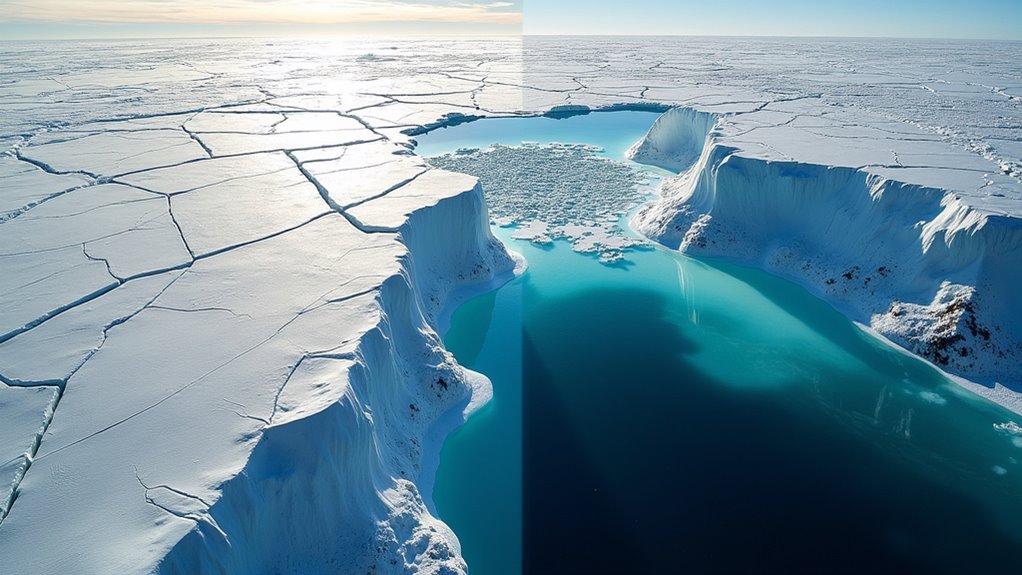
While scientists have been meticulously tracking Earth’s temperature since 1880, the planet’s decided to crank up the heat like never before. The numbers don’t lie – we’re now sitting at a toasty 2.65°F (1.47°C) above preindustrial levels in 2024, and that’s not just a random blip on the radar. The last decade has been the hottest on record, and 2024 just claimed the dubious honour of being the warmest year since we started keeping tabs.
Let’s get real about what these historical climate records are telling us. We’ve got data pouring in from everywhere – PRISM Climate Group, NOAA, NASA, and a whole alphabet soup of scientific organisations. They’re all pointing to the same bloody conclusion: we’re cooking ourselves at a rate that’s absolutely bonkers. The Paris Accord regulations have already started reshaping how industries operate in response to these findings. Quality-controlled climate observations from 1895 to present have been meticulously gathered and analyzed by the PRISM Climate Group, providing an extensive historical perspective on our changing climate. Our ecosystems are feeling the heat too, with disrupted food webs cascading through nature, echoing the urgency of addressing climate change.
Multiple scientific agencies are sounding the same alarm: Earth’s temperature rise isn’t just breaking records – it’s shattering them at unprecedented speeds.

We’re talking about warming that’s happening 10 times faster than when Earth was recovering from the last Ice Age. That’s not just fast – that’s like comparing a leisurely stroll to a supersonic jet. This rapid increase in temperature is causing significant shifts in weather patterns, leading to more frequent and severe weather events worldwide. The cost of ignoring these shifts is staggering, with damage to infrastructure and other economic impacts already in play.
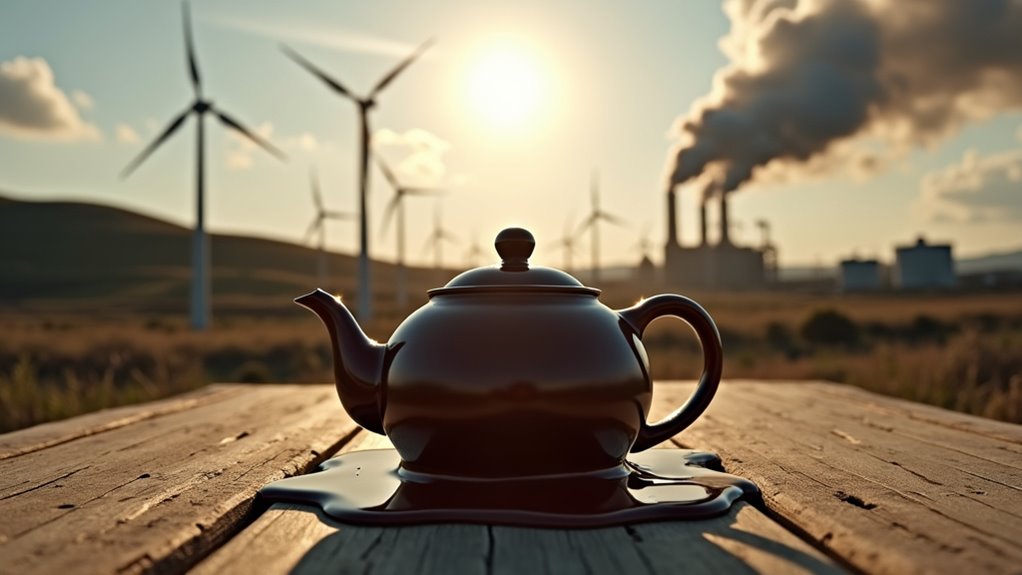
The kicker? Our precious historical data, which helps farmers figure out what to plant and utilities predict energy usage, might actually be underplaying how stuffed we really are. CO2 levels are skyrocketing 250 times faster than after the last Ice Age, and those neat little 30-year climate normals we’ve been relying on are starting to look about as useful as a chocolate teapot for predicting what’s coming next. Transitioning to renewable energy sources is one of the critical steps needed to combat these changes and mitigate future impacts.
Sure, there’s been some argy-bargy about data transparency since Climategate, and yeah, some people still reckon it’s all a big conspiracy. But here’s the thing – whether you’re looking at NASA’s numbers, NOAA’s figures, or data from independent research groups, they’re all showing the same terrifying trajectory.

It’s like having three different doctors tell you your lifestyle’s going to kill you – at some point, you’ve got to stop arguing and start listening.
The science has evolved beyond just taking temperature readings. We’re now integrating multiple data streams, using fancy interpolation techniques, and even looking at ancient climate data to understand what’s happening.
But all this sophisticated analysis is basically screaming the same message: without dramatic change, we’re heading for a future that makes our current climate worries look like a pleasant spring day.
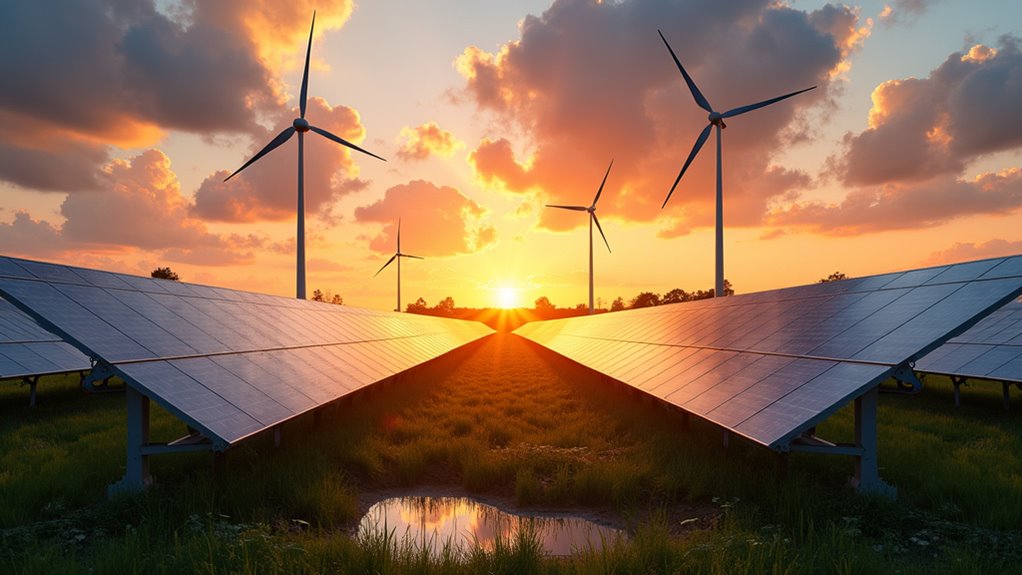
Here’s the raw truth – historical climate data isn’t just some dusty academic exercise. It’s a warning system that’s flashing red, and it’s telling us something dead simple: change or suffer the consequences.
The planet’s breaking records faster than a desperate athlete on steroids, and unless we get our act together, these “historical” temperatures we’re seeing now might end up looking positively invigorating compared to what’s coming.
Frequently Asked Questions
How Will Climate Change Affect Property Values in Coastal Regions?
Coastal property values are in for a wild ride.
Despite obvious flooding risks, prices keep climbing in many beach areas – talk about denial!

Reality’s gonna hit hard though. Studies show up to $520 billion in overvalued flood-prone properties.
Some smart money’s already moving to higher ground, like in Miami where elevated areas are seeing price jumps.
But plenty of wealthy buyers keep gambling on beachfront real estate, pretending those rising tides aren’t coming.
Can Individual Actions Make a Meaningful Difference in Combating Climate Change?

The truth? Individual actions alone won’t save us from climate chaos, but they’re not meaningless either.
While 100 companies cause 70% of emissions, collective individual behaviour creates ripple effects that matter. When enough people adopt sustainable practices – from ditching cars to going plant-based – it forces systemic change.
But let’s be real: without major government and corporate reform, Karen’s reusable coffee cup won’t cut it. It’s about both/and, not either/or.
Which Renewable Energy Source Has the Most Potential for Rapid Implementation?

Solar PV is crushing it in the renewable race, hands down.
The numbers don’t lie – it’s dropped 50% in cost just this year and is set to dominate 80% of new renewable installations by 2030.
While wind power’s making waves and storage is catching up, nothing matches solar’s rapid scalability and plummeting costs.
It’s literally plug-and-play compared to other options.
Plus, it’s already providing cheap power across the globe.
Game, set, match to solar.
How Will Climate Change Impact Global Food Security and Agriculture?
Climate change is royally messing with our food system. Global maize yields could plummet 24% by 2030, while wheat might actually increase 17% – talk about a mixed bag.
345 million people already face severe food insecurity, and it’s gonna get worse. Poor regions cop it hardest – Sub-Saharan Africa and South Asia are proper stuffed.
Sure, we’ve got adaptation strategies, but without serious action, we’re headed for a proper food crisis, mate.
What Role Do Developing Nations Play in Reducing Global Carbon Emissions?
Developing nations are in a tough spot – they’re pumping out 75% of global emissions while trying to drag their people out of poverty.
Let’s be real: these countries need electricity and economic growth.
But here’s the kicker – they’re also sitting on massive renewable potential, especially in places like Africa with its bonkers solar resources.
The world’s climate future literally hinges on helping these nations leapfrog fossil fuels, whether we like it or not.