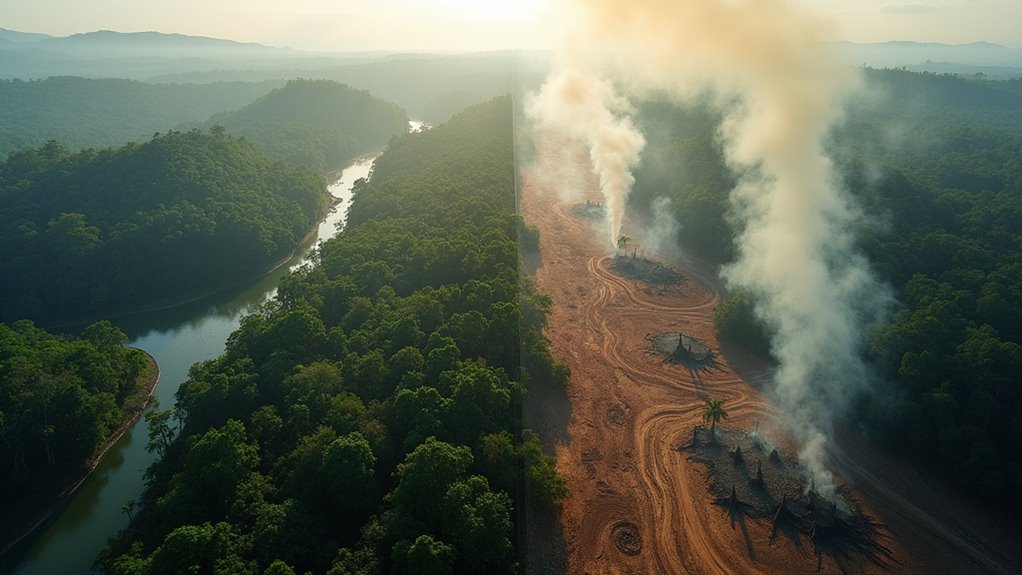


Earth’s heating up faster than a shrimp on the barbie. The planet smashed through the 1.5°C warming threshold in 2024, with a whopping 91% of the globe cooking above average.
We’re seeing record-breaking temps, melting ice caps, and crazy weather patterns that’d make your head spin. The oceans are boiling, Europe’s practically a sauna, and the Arctic’s warming three times faster than everywhere else.

While climate deniers continue their desperate finger-pointing, the numbers tell a different story that’s getting harder to ignore.

The planet’s not just warming – it’s practically cooking itself. We’ve just wrapped up 2024 as the warmest year on record, smashing through the 1.5°C threshold that scientists have been warning us about for decades.
And if you think that’s just a blip, think again: the last decade (2015-2024) owns the dubious honour of being the hottest ten-year stretch ever recorded. Scientists are predicting a 99% chance that 2025 will be hotter than every year before 2023.
Let’s get real about what’s happening right now. January 2025 just threw another punch, registering a whopping 1.75°C above pre-industrial levels. That’s not just breaking records; it’s obliterating them. For 18 out of the past 19 months, we’ve been living in a world that’s exceeded the 1.5°C mark – the very threshold the Paris Agreement was desperately trying to avoid.
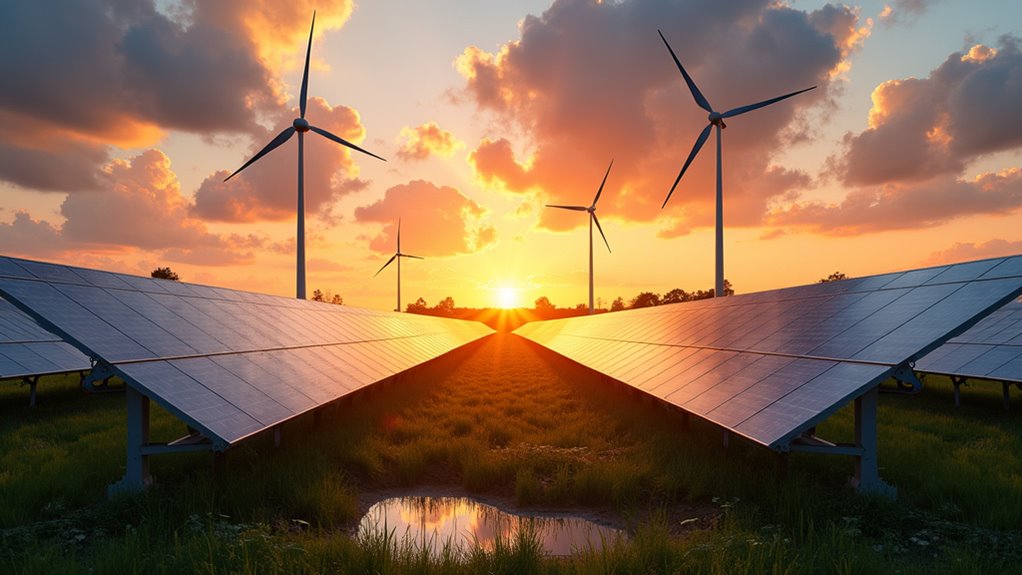
Spoiler alert: we’re failing spectacularly at keeping that promise. Nearly 91% of the globe experienced temperatures above the 1991-2020 average, showing just how widespread this warming truly is. This climate shift has dramatic effects on plant and animal species, disrupting entire ecosystems. The rise in extreme weather events, such as hurricanes, floods, droughts, and wildfires, is a direct consequence of these temperature changes. Implementing renewable energy sources globally could play a significant role in mitigating these rising temperatures. Communities adopting strategies for resilience are crucial in safeguarding economies and public well-being against these ongoing changes.
The Arctic’s copping it worse than anywhere else, warming at nearly triple the global rate since the 1970s. It’s like watching an ice cream melt in fast-forward, except this isn’t just about losing dessert – it’s about losing entire ecosystems.
Meanwhile, Europe’s January 2025 temps were a stonking 2.51°C above normal, which is about as reassuring as a sunburn in winter.

Our oceans aren’t doing any better. They’re basically turning into a hot soup, with January 2025 recording the second-highest sea surface temperatures ever.
And here’s the kicker – even with La Niña conditions showing up in December 2024, we’re still breaking heat records left and right. That’s like turning on the aircon and still sweating buckets.
Looking ahead?

Buckle up because it’s going to be a bumpy ride. We’re staring down the barrel of potential 2-4°C warming by 2100 if we don’t get our act together.
The next five years are already tipped to be the warmest on record, and 2025’s forecast is sitting at 1.45°C above pre-industrial levels – give or take a tenth of a degree.
The impacts aren’t just numbers on a chart. We’re talking longer allergy seasons (thanks, extended growing periods), more wildfires ready to spark at a moment’s notice, and earlier snowmelt mucking up water supplies across the western U.S.

Plants and animals are playing musical chairs with their habitats, and heat waves are becoming as common as coffee breaks.
Multiple independent research groups have confirmed these trends, using everything from ground stations to satellites.
The data’s solid, the trend’s clear, and the message is unmistakable: this isn’t just another environmental issue to ignore – it’s the defining crisis of our time, and it’s not going away by itself.
Frequently Asked Questions
How Do Individual Actions Impact the Overall Global Warming Crisis?
Let’s be real – individual actions alone won’t save us from this climate mess.
While personal choices like ditching meat or going car-free make a dent, they only account for about 30% of needed emissions cuts.
The real culprits? Just 100 companies spewing out 70% of global emissions.
Sure, individual efforts matter for building momentum, but without systemic change and collective action, we’re just rearranging deck chairs on the Titanic.
What Role Do Oceans Play in Regulating Earth’s Temperature?
Oceans are Earth’s thermostat, full stop.
They’re absolute beasts at heat absorption, swallowing over 90% of excess greenhouse warmth like it’s nothing.
Thanks to water’s ridiculous heat capacity (1000x more than air!), these blue giants store more heat in their top few metres than our entire bloody atmosphere.
Plus, they’re running a global delivery service – currents like the Gulf Stream cart tropical heat to the poles, keeping our planet from going completely bonkers temperature-wise.
Can Technological Innovation Alone Solve the Climate Change Problem?
No way can tech alone fix this mess.

While innovations like direct air capture and advanced batteries show promise, nearly half of needed emissions cuts by 2050 rely on unproven tech.
That’s a massive gamble. Only 26 out of 1,200 IPCC scenarios work with existing solutions – yikes!
We need cultural and political shifts alongside tech advances.
Waiting for some magical breakthrough is pure fantasy.
Time’s running out, and we need action now.
How Do Different Countries Contribute to Global Warming Differently?
The global emissions game is rigged.
Rich nations like the US and EU got a 100-year headstart burning fossil fuels – now they’re pointing fingers at China’s smokey factories.
Meanwhile, tiny oil states like Qatar are spewing more CO2 per person than anyone, while India’s massive population barely registers a blip per capita.
Brazil’s busy chopping down rainforests, and Africa’s whole continent produces less than Texas.
Talk about environmental injustice!
What Happens if We Fail to Meet International Climate Agreement Targets?
Missing climate targets isn’t just another bureaucratic failure – it’s catastrophic.
We’re looking at coral reefs dying off completely above 2°C, while a fricken measly 0.3°C extra warming could trigger irreversible ecosystem collapse.
The numbers are brutal: $299 billion in climate disaster losses just in 2022, and that’s just the start.
By 2030, we’ll see 250,000 extra deaths yearly, forced mass migrations, and about 80 million jobs vanishing from heat exposure alone.
Not pretty, mate.