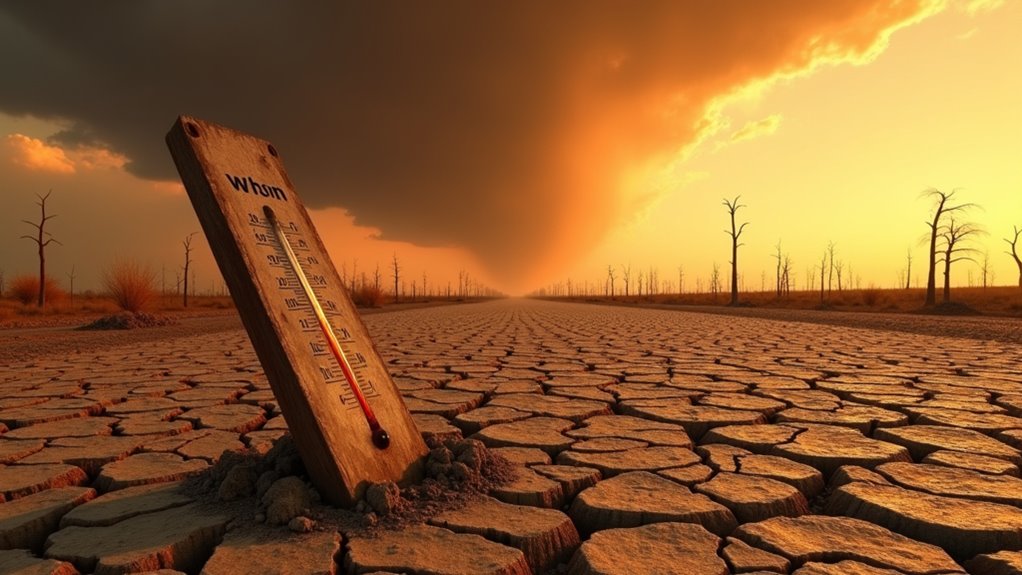
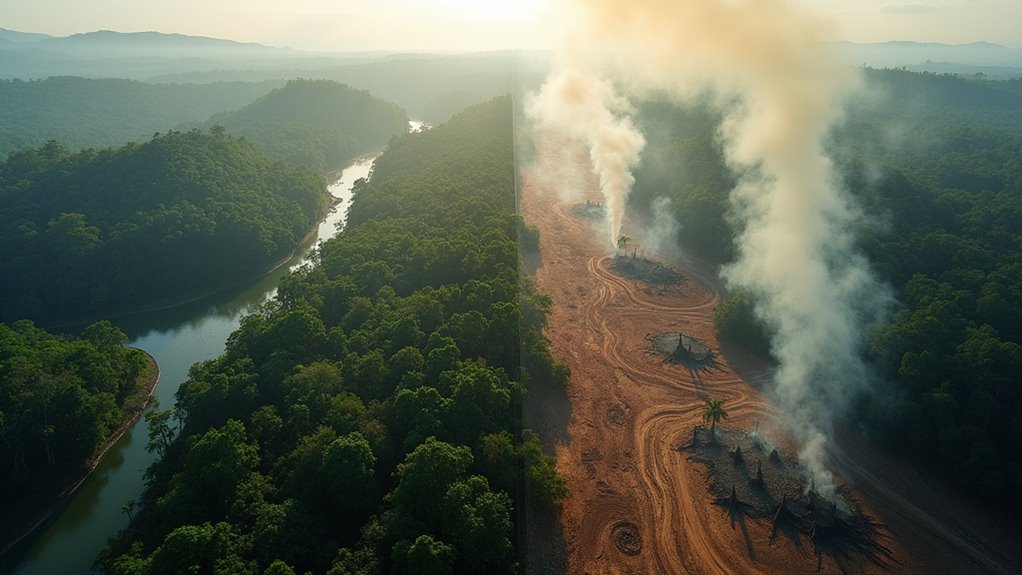

Climate justice isn’t some feel-good hashtag—it’s life or death. While rich nations keep profiting from environmental destruction, indigenous peoples and vulnerable communities cop the deadly consequences. The stark reality? Those least responsible for climate chaos suffer its worst impacts. From ancestral lands vanishing to devastating floods in low-income neighbourhoods, the system’s rigged. Time to get real: without climate justice, billions face catastrophe. There’s more to this story than meets the eye.

Every single day, the world’s richest nations continue their decades-long tradition of screwing over the poor when it comes to climate change. It’s not just about melting ice caps and rising seas anymore – it’s about who gets hammered first and worst. While billionaires build climate-proof bunkers, Indigenous communities watch their ancestral lands vanish and low-income neighbourhoods drown in flood waters. The cascading effects of climate change are causing dramatic habitat loss, altering migration patterns, and disrupting food webs, which ripple through entire ecosystems.
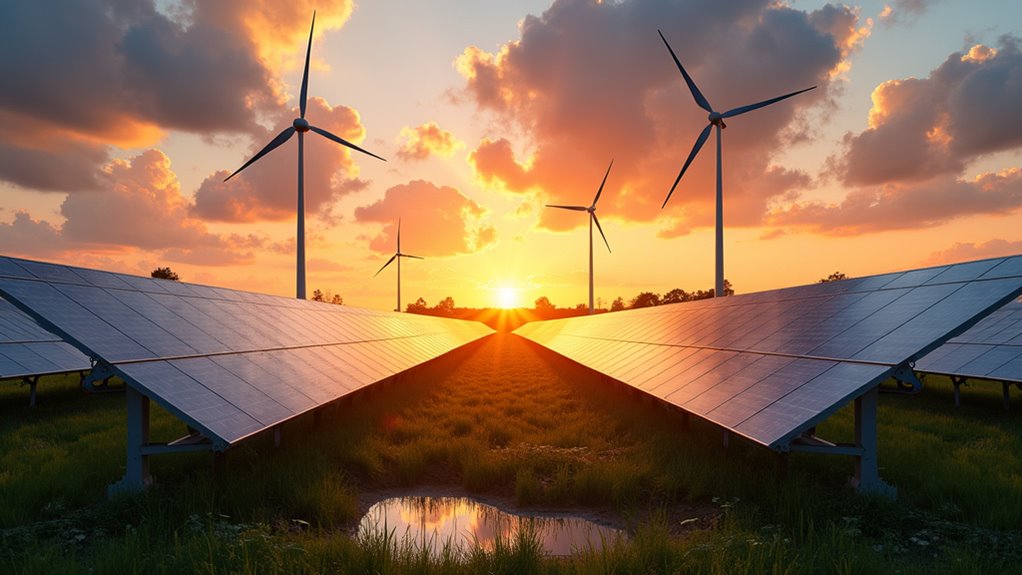
Let’s get real about what climate justice actually means. It ain’t some trendy hashtag for corporates to slap on their greenwashing campaigns. It’s about recognising that the same folks who got filthy rich pumping carbon into our atmosphere for centuries are the same ones now ducking responsibility for the chaos they’ve created. Meanwhile, developing nations cop the worst impacts while contributing the least to the problem. Talk about a rigged system. The rights of nature are increasingly being recognized in legal frameworks to protect ecosystems alongside human rights. Communities are adjusting infrastructure to cope with rising temperatures and extreme weather, showcasing the importance of proactive planning in safeguarding public well-being. Transitioning to renewable energy sources is crucial for reducing carbon emissions and mitigating further climate impacts.

The numbers don’t lie – industrialised nations owe a massive climate debt to the Global South. But instead of paying up, they’re still dragging their feet on meaningful action. Sure, they make grand promises at fancy climate summits, but when it comes to actually transferring technology and resources to help vulnerable communities adapt? Crickets mate. Essential workers face disproportionate health risks as climate disasters intensify.
Here’s where it gets properly messy: climate change doesn’t exist in a vacuum. It amplifies every existing inequality – gender, race, class, you name it. Women in developing countries trek further for water in droughts. Racial minorities get left behind in disaster response. Indigenous peoples lose traditional food sources. And don’t even get started on what today’s kids are inheriting – a planet that’s literally cooking itself. Heatwaves, exacerbated by climate change, pose significant health risks including heat-related illnesses and increased mortality rates.
The shift to a low-carbon economy has to be fair dinkum or it’s just trading one form of injustice for another. Workers in fossil fuel industries need genuine alternatives, not empty promises. Communities need access to clean energy solutions, not just more corporate profiteering dressed up as climate action. The solutions are already emerging from the ground up – frontline communities developing innovative adaptation strategies, Indigenous knowledge showing sustainable paths forward.

Climate justice isn’t optional – it’s literally what survival looks like. The Paris Agreement recognised this, but warm words won’t cool a warming planet. We need radical transformation that puts justice at the centre, not the margins. That means the biggest polluters paying their fair share, affected communities leading decision-making, and climate action that heals historical wounds instead of creating new ones.
The clock’s ticking, and the choice is simple: either we embrace climate justice and transform our world, or we accept a future where the privileged few survive while billions suffer. There’s no middle ground anymore – just ask anyone living on the frontlines of this crisis.
Frequently Asked Questions
How Can Individuals Measure Their Personal Impact on Climate Justice Efforts?
Individuals can track their climate justice impact through hard numbers and real action.
Start by measuring personal carbon emissions, then dive deeper – count protest hours, tally donations to frontline groups, and log calls to politicians.
Track purchases from indigenous-owned businesses and volunteer time with vulnerable communities.
Sure beats virtue signalling on social media.

Every action counts, but only if you’re actually counting it.
What Role Do Indigenous Communities Play in Leading Climate Justice Movements?
Indigenous communities aren’t just participating in climate justice – they’re leading the charge.
Protecting 80% of Earth’s biodiversity while making up less than 5% of the population? That’s no accident. Their traditional knowledge and sustainable practices have kept ecosystems thriving for millennia.

Now they’re fighting back against land theft and resource exploitation, while showing the world how to actually live in harmony with nature.
The rest of us should shut up and take notes.
How Are Climate Justice Initiatives Funded Globally?
Climate justice funding comes from everywhere and nowhere at once.

Big players like the Green Climate Fund throw around billions ($10.3B pledged), while Bezos tosses pocket change ($300M) at environmental justice.
Governments splash cash through schemes like the IRA’s $2.8B justice initiatives, but it’s the grassroots movements that’re doing the heavy lifting.
Indigenous communities get promised $1.7B from philanthropists – though seeing that money actually reach the ground? That’s another story entirely.
Can Climate Justice Succeed Without Government Policy Changes?
Let’s get real – climate justice without government policy changes is like trying to put out a bushfire with a water pistol.
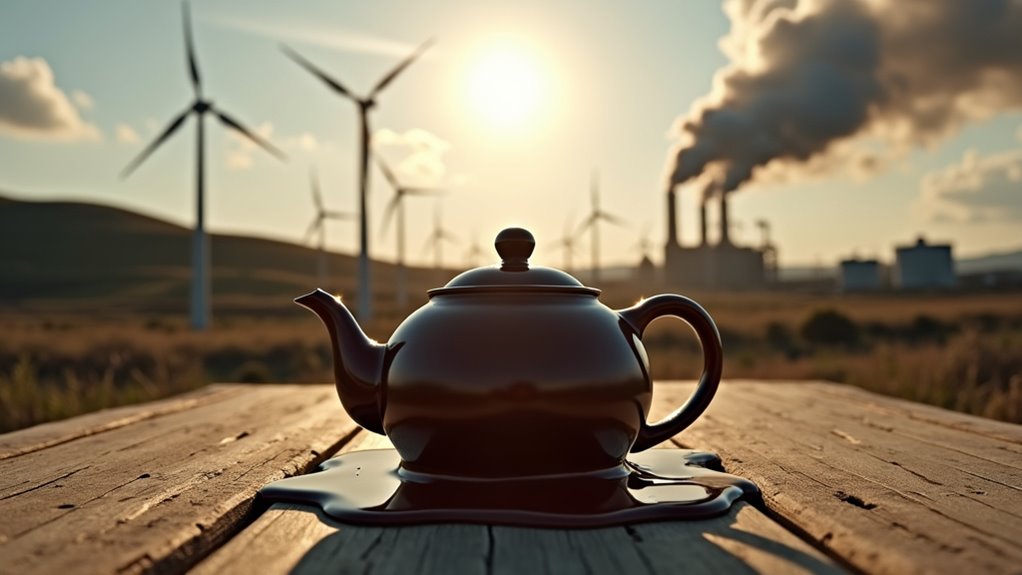
While grassroots movements are essential catalysts, they lack the muscle to force large-scale shifts.
History shows meaningful environmental progress requires policy frameworks, regulatory teeth, and serious funding.
Bottom-up activism is important but powerless without top-down support.
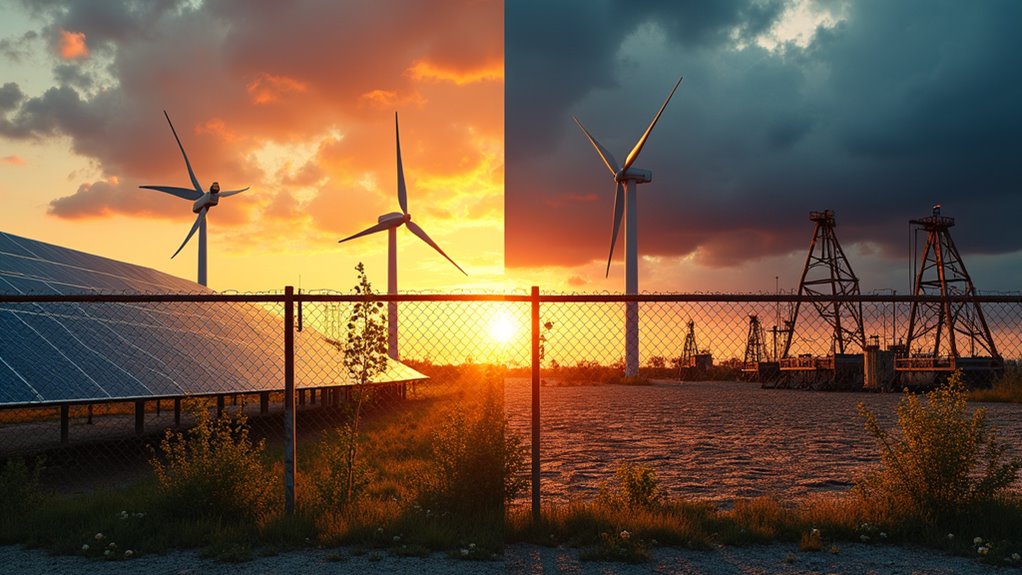
Local initiatives hit a ceiling without government backing – that’s just cold, hard reality.
What Technologies Are Most Effective in Supporting Climate Justice Goals?
Let’s cut to the chase – renewable microgrids and IoT sensors pack the biggest punch for climate justice.
They deliver power independence to vulnerable communities while tracking environmental impacts in real-time.
Throw in mobile early warning systems and low-cost internet access, and you’ve got a tech stack that actually empowers marginalised groups.
But here’s the kicker – these tools are useless without putting affected communities in the drivers seat.